The Greatness of the Himalayan Loop: A Journey Beyond the Horizon To ride the loop starting from Chandigarh, heading up through Manali, crossing the high pass of Sir Bhum Chun (the Shinku La area), descending into the Nubra Valley, conquering the legendary Khardung La, skirting through the history-laden Kargil, and winding down through Srinagar back to where it all began is not merely to go on a motorcycle trip. It is to undertake a pilgrimage of the soul. Covering roughly 1,950 kilometers over 10 to 12 days, this route—often dubbed “The Ultimate Himalayan Loop”—is celebrated as one of the most physically demanding, visually spectacular, and culturally rich overland journeys on the planet.
For riders, overlanders, and adventurers, this specific loop is the holy grail. It is a slow ride that refuses to be rushed, demanding absolute respect for the terrain, the weather, and the machine. Here is a look at what makes this circuit not just a route, but an epic for the ages.
Part I: The Gateway and the Ascent (Chandigarh to Manali) The journey begins in the planned, bustling plains of Chandigarh. Here, the air is thick and warm, and the roads are wide. But within an hour of heading north, the flatlands begin to wrinkle. The Shivalik foothills rise to greet you, offering a gentle prelude of sweeping bends and lush green canopy.
As you push toward Manali, the scale of the landscape shifts dramatically. You track the Beas River, its roaring waters a constant companion. The ride to Manali is a transition from the modern world to the ancient. The air grows crisp, the pine forests dense, and the peaks on the horizon begin to don their white caps. Manali itself, sitting at roughly 2,050 meters, acts as the staging ground. It is here that the true spirit of the journey takes hold. The bustle of the town is filled with the thrum of loaded motorcycles, the packing of spare fuel, and the palpable mix of excitement and anxiety that precedes the high-altitude leap.
Part II: The Wild Frontier (Manali to Sir Bhum Chun) Leaving Manali, you bid farewell to comfort. While the opening of the Atal Tunnel has offered a quick bypass, the true adventurer craves the grit. Climbing over the high passes, the lush vegetation of the Kullu Valley dies away, replaced by the stark, rain-shadow beauty of Lahaul.
The route toward Sir Bhum Chun (Shinku La) is where the real grit begins. At elevations surpassing 5,000 meters, this is a landscape of raw, unfiltered majesty. The road transitions from asphalt to dirt, gravel, and loose shale. This is a region defined by its "dangerous water crossings." Glacial meltwaters cascade across the track, freezing and fierce. Negotiating these torrents on a heavy motorcycle is a high-stakes dance of balance, throttle control, and courage. The sheer cliffs, the lack of guardrails, and the unpredictable weather create a visceral sense of isolation.
Yet, the reward is incomparable. To stand at the top of these passes, surrounded by 360 degrees of towering, ice-clad giants, is to feel entirely insignificant and entirely alive all at once.
Part III: The Roof of the World (Khardung La and Nubra Valley) From the rugged interior, the route enters the heart of Ladakh, aiming for the legendary Nubra Valley. But to get there, one must often face the ultimate test of altitude: Khardung La, famously celebrated as one of the highest motorable passes in the world at over 5,300 meters.
The climb is a grueling test of human and mechanical endurance. The air thins, making every breath a conscious effort, and the motorcycles struggle for oxygen. Snow and ice often coat the upper switchbacks, demanding absolute focus. Reaching the summit, adorned with fluttering Buddhist prayer flags and the iconic yellow signboard, is an emotional high that few other places on Earth can offer.
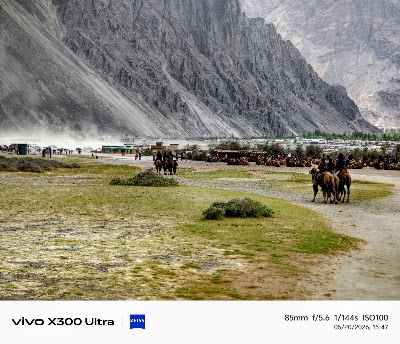
The descent into the Nubra Valley reveals a stark, surreal contrast. This high-altitude desert is a wonderland of double-humped Bactrian camels, towering sand dunes, and the winding Shyok River, all backdropped by barren, jagged peaks. It is a place where time seems to have stopped, offering a peaceful, expansive respite after the violence of the high passes.
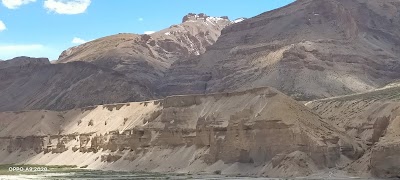
Part IV: The Frontier of Honor (Kargil and the Srinagar Highway) Leaving the tranquil valleys behind, the route heads west toward Kargil. The road traces the Indus and Suru rivers, cutting through deep, barren gorges of mesmerizing geology. The sheer scale of the rock faces, stripped of all vegetation, reveals millions of years of earth’s violent history.
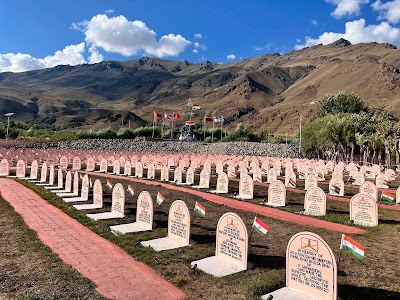
The approach to Kargil is marked by a shift in atmosphere. This is a land of immense historical and patriotic significance. The Kargil War Memorial at Dras, the second-coldest inhabited place on Earth, stands as a humbling reminder of the cost of peace. Reading the names of the fallen heroes against the backdrop of the very peaks where the conflict took place is a deeply moving experience that adds a layer of profound solemnity to the trip.
From here, the journey begins its transition toward Jammu and Kashmir via the formidable Zoji La pass. Known for its treacherous mud, steep drop-offs, and unpredictable weather, Zoji La is a chaotic, thrilling gateway.
Part V: The Valley of Grace (Srinagar and the Return) As you cross Zoji La, the arid, lunar landscape of Ladakh dramatically vanishes, replaced by the lush, green paradise of Kashmir. The descent into Srinagar feels like entering a different world entirely.
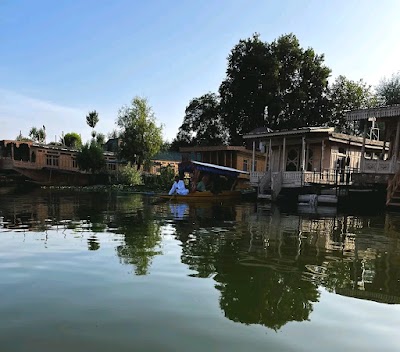
The roar of the motorcycle is replaced by the gentle lap of water on Dal Lake, where houseboats and shikaras glide through the mist. Srinagar offers a chance to rest weary bones, feast on rich Kashmiri wazwan, and reflect on the immense distances and altitudes conquered.
The final leg from Srinagar back to Chandigarh is a long, winding descent through the Jammu hills, passing through massive tunnels like the Chenani-Nashri and watching the mountains gradually subside back into the plains.
Why It Is "The Great" Loop The greatness of this 1,950-kilometer route lies in its unparalleled variety. It is a slow ride that demands patience, offering:
Geological Wonders: From the lush forests of Himachal to the stark deserts of Ladakh, the ice-choked passes, and the verdant valleys of Kashmir.
Cultural Tapestry: A journey that transitions from Hindu foothills to Tibetan Buddhist monasteries, and onto Islamic cultural hubs.
Ultimate Challenge: Unforgiving weather, thin air, and "thousands of twisties" that test every ounce of a rider’s skill.
It is a route that changes everyone who completes it. You do not just ride this loop; you endure it, you admire it, and ultimately, you are humbled by it. It remains the definitive test of the overland spirit.
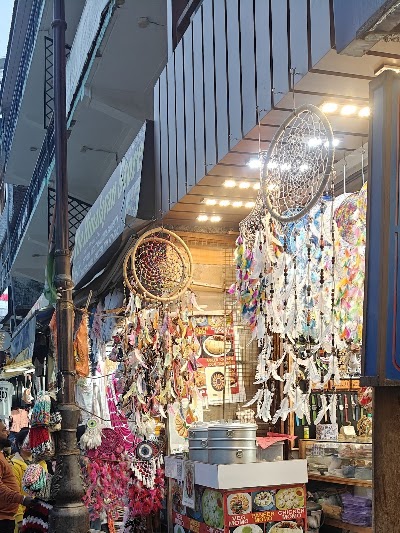
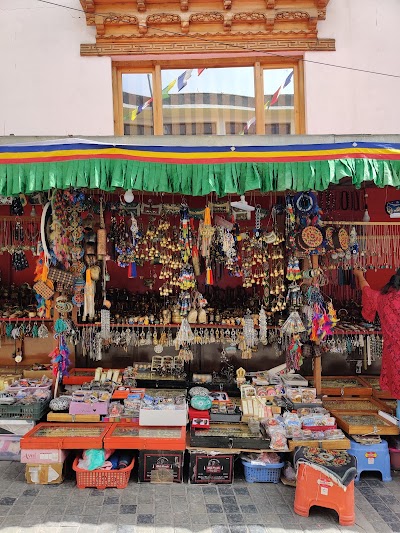
The town's main pedestrian shopping street.
★ 4.5