When the urban noise of Pune gets too loud, the Sahyadris offer an antidote—if you know where to look. Beyond the crowded viewpoints of Lonavala and Mahabaleshwar lies a secluded hamlet untouched by commercial tourism: Fofsandi.
Tucked deep inside the Akole taluka of Ahmednagar district, about 180 kilometers north of Pune, Fofsandi feels like a village that time forgot. As you leave the Pune-Nashik highway behind and turn onto the narrower, winding country roads past Otur and Kotul, the air grows noticeably cooler, and the concrete fades into endless stretches of paddy fields and dense foliage.
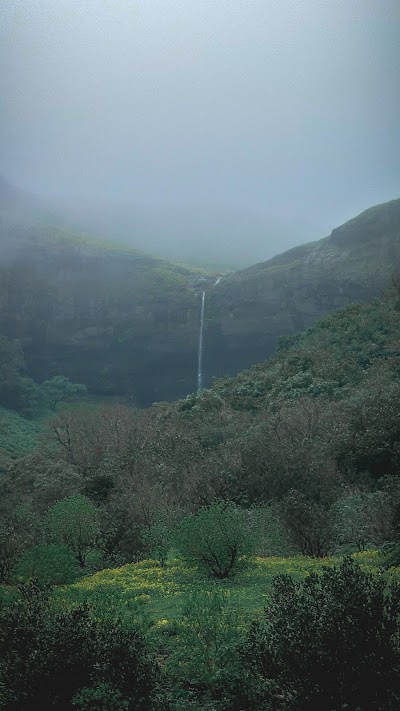
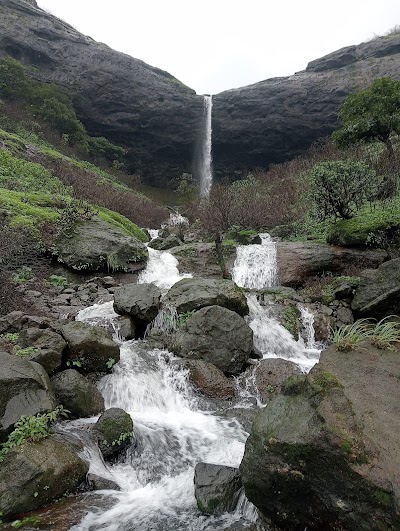
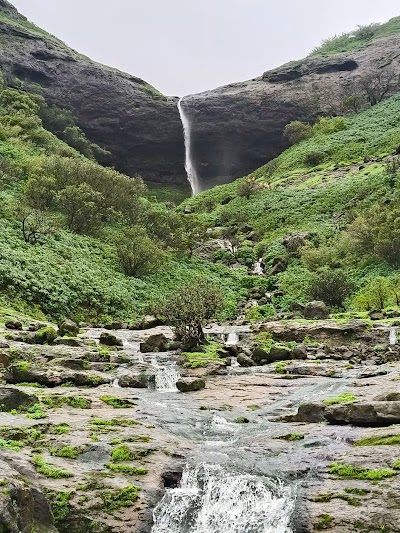
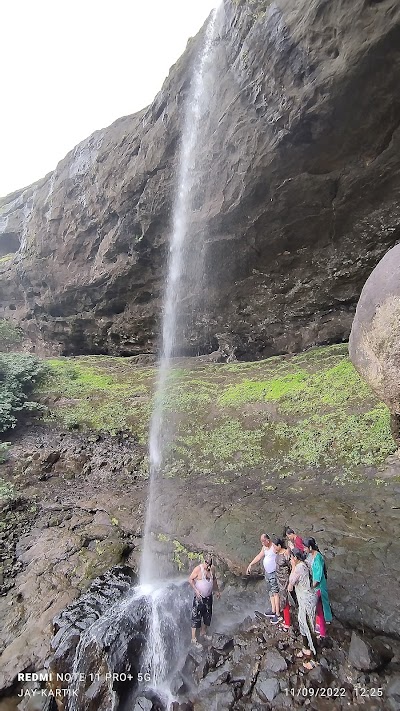
Fofsandi sits in a bowl-shaped valley surrounded by soaring Sahyadri peaks. During the monsoon and early winter, the valley becomes a kingdom of cloud and mist. Rivers don't just flow nearby—they originate here. The Mandvi River whispers through the heart of the village, creating natural pools and cascading waterfalls that form a soothing backdrop to village life.
There are no luxury resorts, loud music, or commercial bazaars in Fofsandi. Instead, you get red-tiled traditional homes, local villager hospitality, freshly cooked Maharashtrian meals on earthen stoves, and silence broken only by the sound of rushing water and chirping birds. A road trip to Fofsandi isn't just about reaching a destination; it is an immersive journey into Maharashtra’s wild, tranquil heartland.
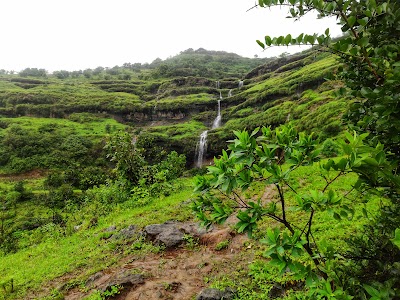
Located on the high-altitude approaches to the village, this natural vantage point offers panoramic views of the entire hamlet below. During mornings, the entire valley fills with dense fog, creating a surreal "sea of clouds" effect before revealing the lush green carpet below as the sun breaks through. Unlike carved basalt cave temples (such as Karla or Bhaja), the caves in Fofsandi are primarily natural rock overhangs and erosion-formed shelters along the cliff walls and riverbed. Historically, these were used by local tribal communities and shepherds for shelter during extreme weather.
★ 4.7